Why Some Grounds Keep a Place in Local Memory
Why some grounds keep a place in local memory: see how setting, familiar routines and community ties turn a sporting venue into part of its town.
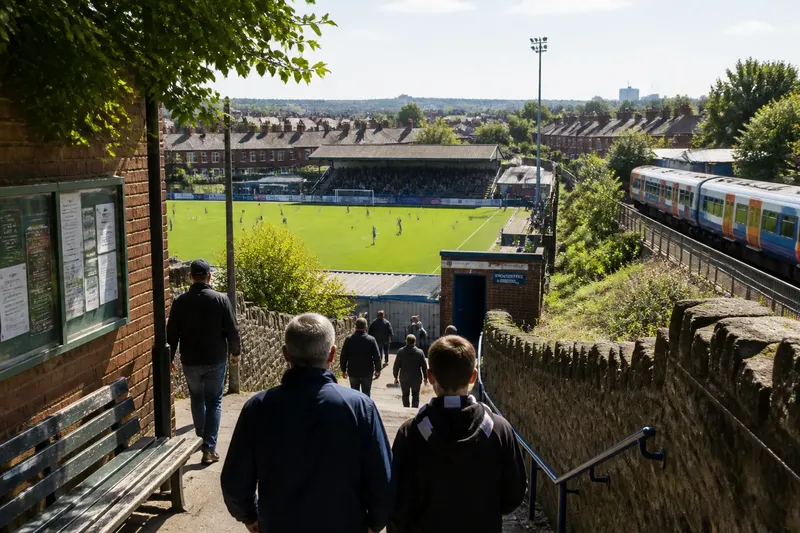
A bus brakes beside the cricket ground, and someone on the pavement calls out the score before the passengers have found their seats. The ground is not famous beyond the neighborhood. It has something more particular: a place in local memory, built through its setting, repeated use and ties to the people around it.
That meaning does not come from architecture alone. A modest field can become a reference point, while a polished venue may remain simply a place where an event happens. The difference is often in the connections gathered there. These are five ways a sporting ground can become part of the community’s memory.
1. The setting stays visible
A ground belongs to its surroundings before it belongs to a fixture list. A football pitch beside a railway line, a rowing course edged by warehouses or a basketball court beneath apartment balconies carries the character of that place into the sporting event. Nearby streets and buildings are not scenery that can be swapped out without consequence. They help people recognize where they are.
Local geography also shapes how people approach a venue. A path along a canal may be the usual route to the entrance. A hill might reveal the pitch before the turnstiles do. A ground tucked into a tight street can make matchday feel threaded into ordinary neighborhood traffic, for better or worse. Those details become part of how people describe the place, even when they are not talking about the game.
Setting can bring practical limits, too. A low roof may make a ground feel enclosed; a river boundary may constrain where visitors enter. Those features affect the experience and its memory. People may remember arriving through a narrow lane, hearing play from outside, or meeting after the event at the same corner shop. The venue becomes legible through its surroundings, not isolated from them.
2. Repetition makes routes familiar
A regular fixture turns a journey into a habit. People learn which bus stop is convenient, where friends wait, and which entrance serves their section. The route accumulates small decisions: bring a coat for the exposed stand, take the quieter street after the final whistle, leave time to cross the market square. No single detail needs to be dramatic. Repetition gives ordinary details a place in the story.
This is one reason a ground can matter to people who do not attend every match. They may pass it on the way to work, hear the crowd from a nearby block or recognize the stream of supporters on a familiar day. The venue becomes part of the local calendar, a reliable sign that a certain kind of gathering is under way.
Say a neighborhood club moves its home fixtures from a pitch near the library to a complex beside a highway. Supporters still share the same sport, but their old meeting place and walking route no longer organize the day. The new venue may be comfortable and easier to reach by car; the expected change is that the club’s routine becomes less visible in the surrounding streets. The example is invented, but the distinction is plain: convenience and local attachment are related, not interchangeable.
3. The ground remembers use
Repeated use leaves a venue with recognizable marks: worn steps, a hand-painted sign, a patch of grass where players warm up, a noticeboard with club information. Such details are not automatically charming. They matter when people know what they are for and can connect them to actual use. A scuffed bench by the changing rooms may be more meaningful than a new plaque no one reads.
Maintenance is part of that memory. A ground cared for by a groundskeeper, club volunteers or a local authority signals that someone expects it to remain useful. That care does not require freezing the venue in an earlier condition. Replacing unsafe seating or improving access can help a place continue serving its community. The point is to retain the features people rely on where they still work, and to explain changes that alter familiar routines.
There is a difference between visible age and neglect. A boundary fence with peeling paint can be part of a place’s appearance; a blocked entrance can keep someone from taking part. Memory should not be used as an excuse to leave a venue inaccessible or poorly maintained. Familiar character has value when it supports present use rather than preventing it.
4. Access shapes belonging
A ground becomes locally meaningful when different parts of the community can use it, not merely point to it. That includes athletes, spectators, coaches, school groups and people who attend a non-sporting community event there. The practical questions are unromantic: can someone find the entrance, understand where they are allowed to go, and get to a suitable place to watch or take part?
Opening a venue beyond matchday can deepen its ties to the neighborhood. A school training session, a community meeting or an open practice gives people reasons to know the ground without buying a ticket or following the home team. At the same time, community use needs clear arrangements for storage, scheduling and care. Shared ownership is easier to feel when access is real and responsibilities are understood.
Not every venue can host every activity, and local needs differ. A club considering wider use might ask nearby residents, youth organizations and current users what would make attendance workable. Their answers may concern lighting, public transport, an accessible entrance or simply knowing when the gates are open. These are specific questions, not a broad exercise in nostalgia.
5. Stories travel through people
People carry a ground’s meaning beyond its boundary. A former player may point out where a practice used to begin. A parent may explain which stand offers shelter when the weather changes. A supporter might remember the season the club shared the venue with another team. Such stories connect physical features with relationships, and they are often more useful than a general claim that a place is historic.
These accounts also change as new users arrive. A venue with teams from several backgrounds may acquire new chants, foods, languages and matchday habits. That does not erase older associations. It adds new reasons for people to recognize the place as theirs. Local memory is not a sealed archive; it is a conversation in which newcomers can contribute without pretending the ground began with them.
Clubs and venue managers can make room for these memories without turning the grounds into museums. A modest display, a clear record of community teams, or an invitation for people to share a venue story can give context to a changing place. The selection matters: it should reflect the people who use the ground, not only the most prominent team or the most photogenic occasion.
What makes a ground memorable?
Does a ground need to be old?
No. A newer venue can gather meaning through dependable use, recognizable surroundings and relationships with local groups. Age may provide context, but it does not create belonging on its own.
Can a move keep the same community ties?
It can, though the ties may need new routes and routines. Involving regular users before a move helps identify what the old setting made easy, from informal meetups to access by public transit.
What should a club preserve?
Start with features people actively use or refer to, such as a shared meeting point, a familiar entrance or a community noticeboard. A change that improves access can be worthwhile, but the club should explain how it will preserve useful functions.
How can new residents feel included?
Make basic information easy to find, welcome community groups to appropriate events and offer ways to learn the venue’s local stories. Inclusion is easier when newcomers can take part rather than being expected to know the customs already.
Memory needs present use
A ground keeps a place in local memory because people encounter it in more than one way: through the view from a nearby street, the familiar route on a fixture day, the evidence of care and the stories shared by those who use it. These connections are built through ordinary decisions about access, upkeep and community use. A venue’s past matters, but its future depends on remaining useful to people who live nearby now.
For anyone considering why some grounds keep a place in local memory, the clearest question is not whether the venue looks impressive. Ask who can reach it, what people do there when the main event is over, and which parts of the surrounding community recognize themselves in its life. Those answers reveal whether the ground is still a local place, rather than only an address on a ticket.